
Should I Cover My Attic Vents in the Winter?
No. Leave them open all year. It’s one of the most common winter fixes homeowners try, and it nearly always makes things worse.
Attic vents aren’t there to heat or cool your house. They’re there to carry moisture out of the attic and keep the roof deck cold and dry. Block them for the winter and that moisture has nowhere to go. You don’t get a warmer house. You get frost on the underside of the roof, damp insulation in spring, and a better chance of ice along the eaves.
The instinct behind covering them makes sense, though, so it’s worth starting there.
Why it feels like the right move
You stand under the hatch in January and feel a draft. You see daylight at the soffits. You know your heating bill went up. Putting those together, the vents look like holes letting cold air into the house.
Some people tape plastic over the soffits from inside. Some stuff batts against the eave vents. Some put covers over the roof vents themselves. All of them are trying to stop heat loss.
The trouble is that the attic was never supposed to be warm.
What the vents are actually doing
In a vented attic, the insulation on the attic floor is the line between warm and cold. Everything below it is the house. Everything above it, the attic space included, is meant to sit close to the outdoor temperature.
Air comes in low through the soffits, moves up under the roof deck and leaves high through ridge or roof vents. As it moves, it carries away the moisture that drifts up from the house. That’s the whole job.
Cold outside air coming into the attic doesn’t chill your living room. Your ceiling insulation stands between them. If the rooms below feel cold, the insulation is too thin, or warm air is leaking through it, and neither problem lives in the vents.
What happens when you block them
Houses put a surprising amount of moisture into the air in winter: showers, cooking, breathing, laundry. Some of it always works its way up through gaps in the ceiling.
With the vents open, that moist air gets flushed out. With them blocked, it stays. When it meets the cold roof deck, it turns to frost.
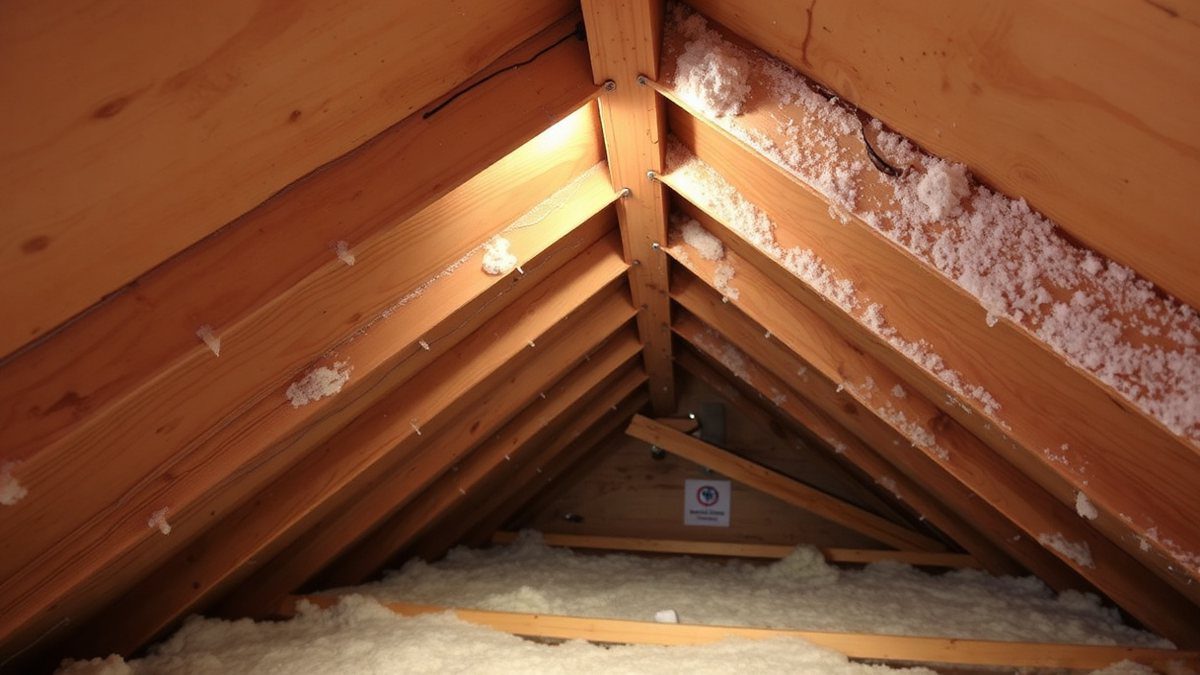
On a cold night that frost builds on the plywood and on every nail tip poking through. On the first mild day it melts and drips. The water soaks into the insulation and can work through to the ceiling. Over a few seasons it feeds mould on the sheathing. Homeowners often call it a roof leak. Sometimes it is one. Often it’s the attic raining on itself.
There’s a second cost. A blocked attic holds whatever heat leaks into it, which warms the roof deck unevenly. That’s one of the ingredients for ice dams along the eaves, which is the opposite of what anyone covering their vents is hoping for.
The lake wind problem is real, just aimed at the wrong target
Some homeowners have a fair point. Down in Port Whitby and Whitby Shores, wind off Lake Ontario pushes hard through the soffit vents. It can blow loose insulation back from the eaves and leave the edge of the ceiling bare. That spot gets cold, and you feel it in the rooms underneath.
Covering the soffits stops the wind, but it also stops the airflow the attic needs. The right fix is a baffle.
What to fix instead
Every complaint that leads people to cover vents has a better answer somewhere else in the attic.
Seal the leaks below the insulation
The draft you feel near the hatch is usually coming from the hatch itself, or from gaps around plumbing stacks, wiring holes and light fixtures. That’s warm house air escaping into the attic, carrying moisture with it. Sealing those openings usually does more for both comfort and frost than anything else in this list. We air seal before we add any insulation, because once a fresh layer goes down, those gaps are buried.
Put baffles at the eaves
A baffle, or rafter vent, is a channel fitted between the rafters at the eave. It holds insulation back from the soffit and keeps a clear path for air to come in above it. It also shields the insulation from wind wash, which is exactly the lake-wind problem above.
Bring the insulation up to depth
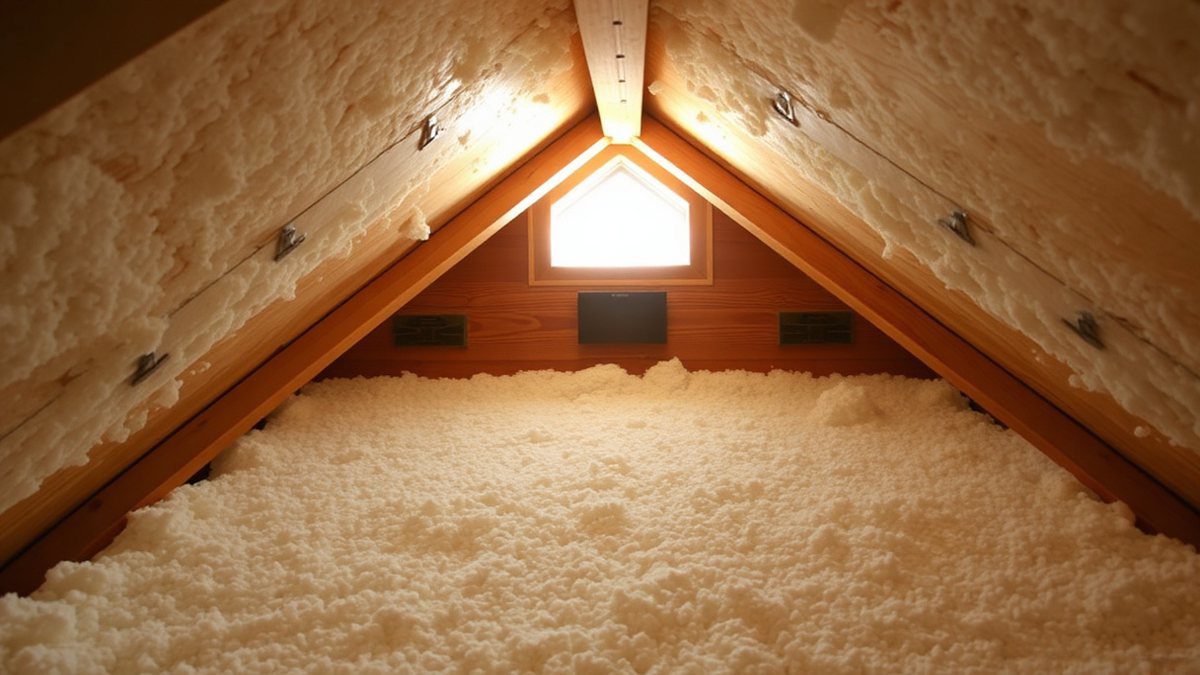
If the rooms are cold, the attic floor probably needs more insulation, and it needs to run right out to the edges. In newer houses, the strip where the roof meets the outside walls has little height for insulation, so it’s often thin there. That’s where we take care. Good insulation work that keeps the eaves clear gets you the depth without choking off the intake. We top up with blown-in fibreglass, and for Ontario attics we aim for R-50.
Check the bathroom fans
A bathroom fan that dumps straight into the attic is a common source of winter frost. The ducting should run all the way outside. We check for this on every attic we look at.
Make sure the vents themselves are working
Sometimes the vents really are the problem, just not in the way people think. Soffits get painted shut or blocked with old insulation. Roof vents are too few, or mixed with other types that fight each other. If the airflow isn’t balanced, our roof ventilation service sorts out intake and exhaust. If the soffit panels themselves are damaged or missing, that’s soffit and fascia repair, and it’s worth doing before a top-up, not after.
A note on unvented roofs
Not every roof is meant to breathe. Some cathedral ceilings and certain foam-insulated roofs are built unvented on purpose. That’s a different design with its own rules, and nobody should cut vents into it or block them without knowing which kind they have. Most houses in Whitby, from Brooklin to the lakeshore, have ordinary vented attics, and those need their vents open.
If you’ve already covered them
Take the covers off. Then look at the underside of the roof deck on a cold morning. If you see frost, dark staining or damp insulation near the eaves, that’s moisture the vents would have carried away, and it’s worth a proper look.
We’ve been working on roofs across Whitby and Durham Region since 1994, and we look at the insulation and the ventilation together, because one can’t do its job without the other. If your attic feels like it’s working against you this winter, ask us for a free attic check and we’ll tell you what’s actually letting the cold in.